About Lunar Prototypes
Practical parts, made to fit
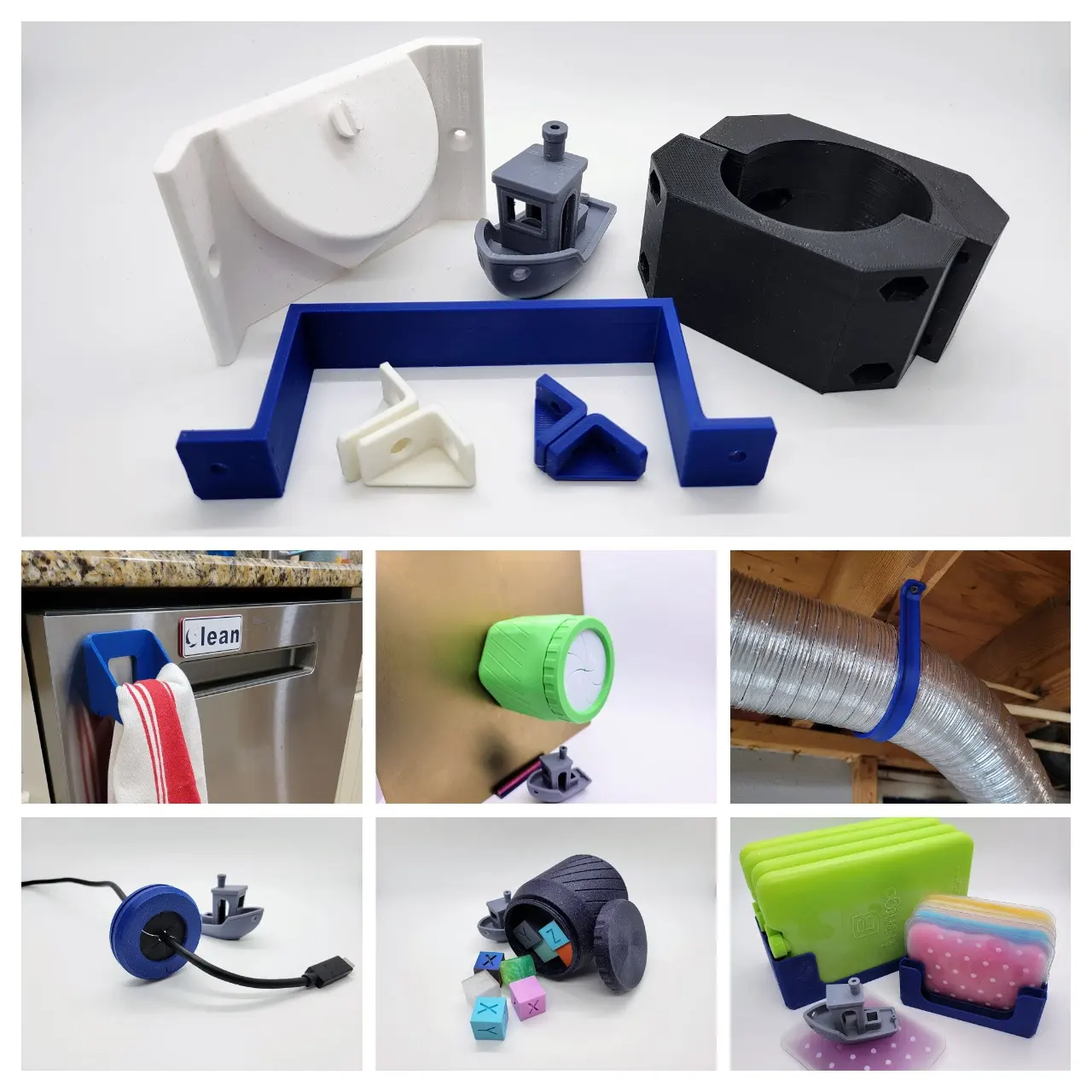
Lunar Prototypes is a project I built around practical problems that benefit from a custom fit. Most designs begin with something in my workshop, home, or daily life that needs to fit better, work more reliably, or make better use of equipment already on hand.
I use parametric modeling to make the important dimensions adjustable, then print and test the result in real use. When a design seems useful beyond my own situation, I publish it so other people can adapt it to theirs.
Why I started building this way
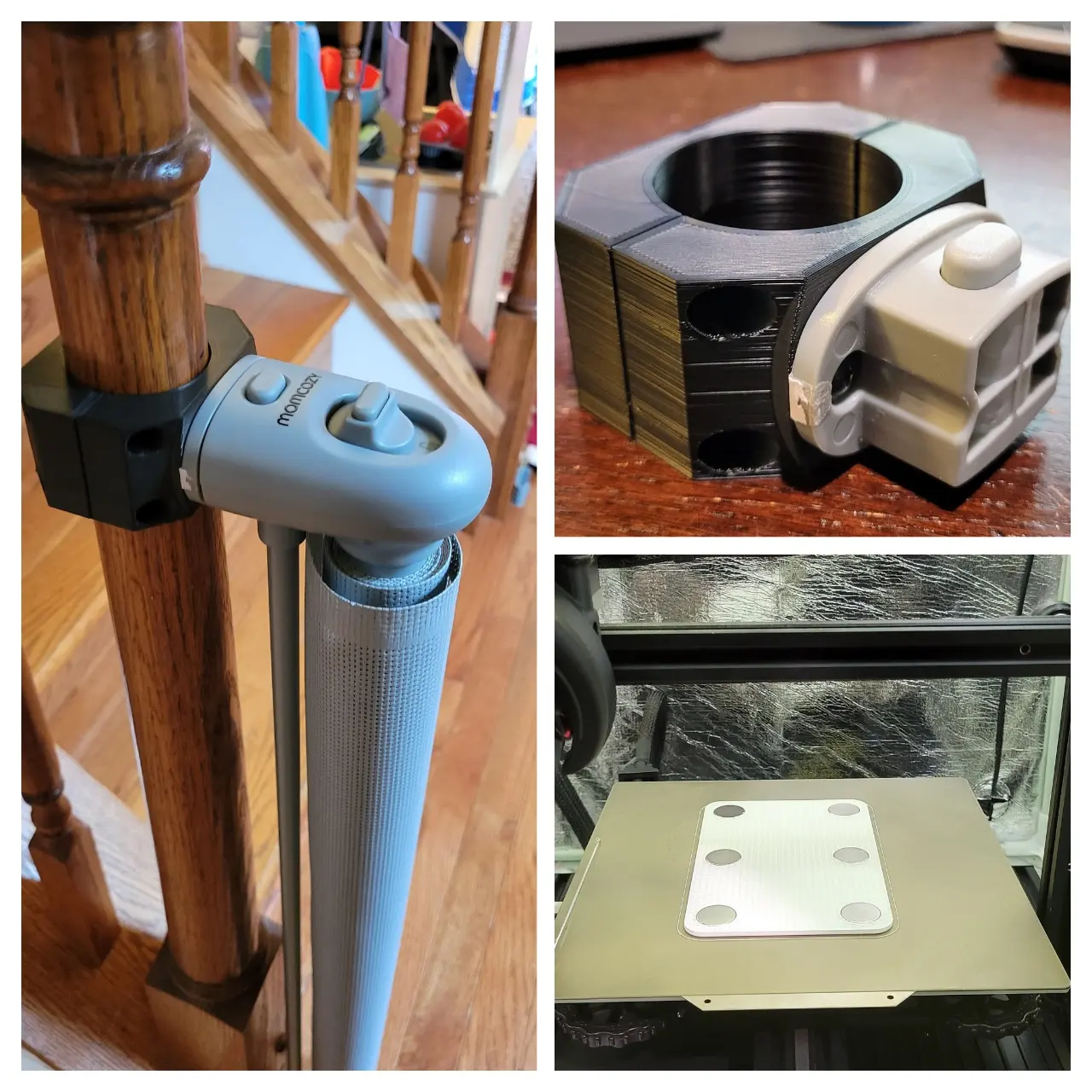
Lunar Prototypes began with repairs and small problems where the readily available part was the wrong size, sold only in a multipack, or difficult to get quickly. A printer, a few measurements, and material already on hand often provided a more direct answer.
Reducing waste is part of why I continue working this way. A small part printed to the measurements of the object in front of you may use only a few grams of filament. That can avoid ordering a bulk pack, shipping it a long distance, and being left with several parts that never fit or get used.
Parametric design makes it practical to produce the one part needed, in the dimensions needed. That is where customization earns its place.
How I approach the work
The process stays focused on the part, its surroundings, and the way it will actually be used.
Start with what needs to work
I look at the actual problem, the surrounding equipment, and the constraints the finished part needs to satisfy.
Make the fit adjustable
The measurements that control fit become parameters so the design can accommodate more than one setup.
Print and test the result
Physical use reveals fit, movement, material behavior, and details that are difficult to judge from the model alone.
Share what proved useful
I publish designs with the controls and context that help other people adapt them to their own measurements and equipment.
Ready to see what this approach produces?